
Project for the institutional strengthening of the ‘Faculdade de Arquitectura e Planeamento Físico’ (Centro de Estudos do Desenvolvimento do Habitat) of the Eduardo Mondlane University of Mozambique to establish institutional links that will allow it to become a UNESCO Chair of Basic Habitability.
At the Mozambique State School of Architecture, about 20 architects are graduated annually, which means one new architect every year for every million inhabitants. It is a school with a low payroll of teachers and a low endowment of material resources. On the other hand, it has a line of training more aimed at architecture and construction techniques typical of the developed world that is far from the needs of the majority of the population.
The main objective of this proposal was to collaborate, in accordance with the guidelines of the counterpart institution in Mozambique – the Eduardo Mondale University – to achieve in the medium term the definition, legal constitution, implementation and subsequent autonomous action of a UNESCO Chair of Basic Habitability at the Eduardo Mondale University of Mozambique. This Chair will seek its implementation and recognition as a focal point of excellence at the national level and with a foreseeable future projection to the region, in terms of: “… research activities, training, information and documentation on basic habitability, precarious human settlements, housing and low-cost urban equipment, cooperation in precarious human settlements, construction technologies, prefabrication, construction materials ”.
University Cooperation Project between the UPM and University Eduardo Mondlane from Mozambique
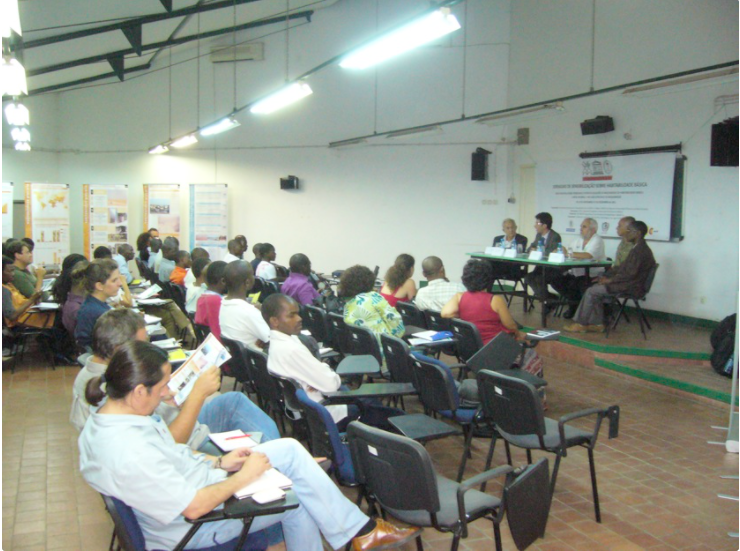
Project for the institutional strengthening of the ‘Faculdade de Arquitectura e Planeamento Físico’ (Centro de Estudos do Desenvolvimento do Habitat) of the Eduardo Mondlane University of Mozambique to establish institutional links that will allow it to become a UNESCO Chair of Basic Habitability.
At the Mozambique State School of Architecture, about 20 architects are graduated annually, which means one new architect every year for every million inhabitants. It is a school with a low payroll of teachers and a low endowment of material resources. On the other hand, it has a line of training more aimed at architecture and construction techniques typical of the developed world that is far from the needs of the majority of the population.
The main objective of this proposal was to collaborate, in accordance with the guidelines of the counterpart institution in Mozambique – the Eduardo Mondale University – to achieve in the medium term the definition, legal constitution, implementation and subsequent autonomous action of a UNESCO Chair of Basic Habitability at the Eduardo Mondale University of Mozambique. This Chair will seek its implementation and recognition as a focal point of excellence at the national level and with a foreseeable future projection to the region, in terms of: “… research activities, training, information and documentation on basic habitability, precarious human settlements, housing and low-cost urban equipment, cooperation in precarious human settlements, construction technologies, prefabrication, construction materials ”.
University Cooperation Project between the UPM and University Eduardo Mondlane from Mozambique
Project for the institutional strengthening of Lake Albert University in the D.R. of the Congo for the establishment of the Civil Engineering career.
The main objective of the proposal is to collaborate, in common agreement with the guidelines of the counterpart institution in the Democratic Republic of the Congo – the Lake Albert University- to achieve the definition, legal constitution, implementation and subsequent autonomous action of the career of Civil Engineering, based on the exchange between professors, End-of-Degree and End-of-Master’s Projects of students, as well as reception of students and professors.
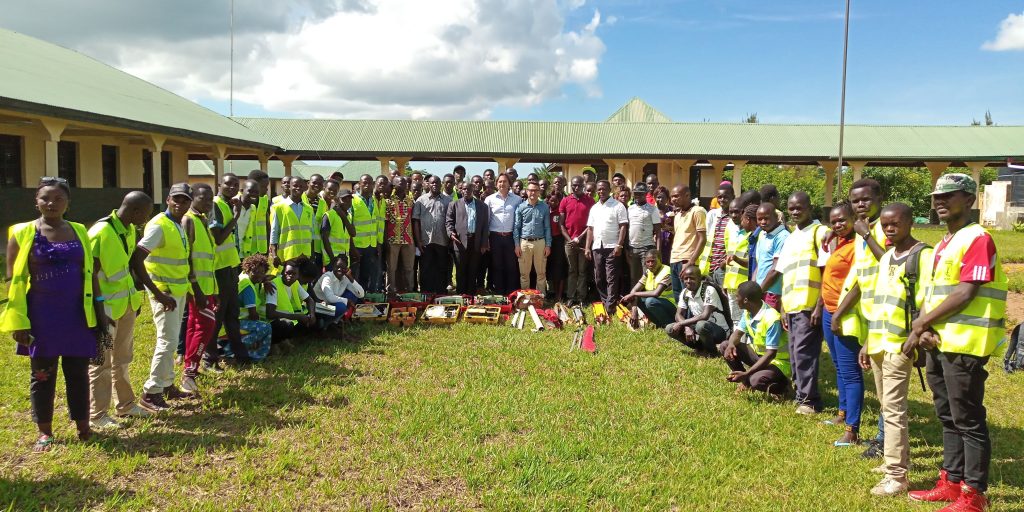
Project for the institutional strengthening of Lake Albert University in the D.R. of the Congo for the establishment of the Civil Engineering career.
The main objective of the proposal is to collaborate, in common agreement with the guidelines of the counterpart institution in the Democratic Republic of the Congo – the Lake Albert University- to achieve the definition, legal constitution, implementation and subsequent autonomous action of the career of Civil Engineering, based on the exchange between professors, End-of-Degree and End-of-Master’s Projects of students, as well as reception of students and professors.