The “Circular Economy” course as part of the Transformative Leadership in the Circular Economy Specialization on Coursera by The University of Colorado Boulder, gave me a deeper and more practical understanding of how sustainable systems work and how they can be applied across industries. One of the first things I learned was how fundamentally different a circular model is from the traditional linear “take–make–waste” economy. The course helped me see how circularity aims to design out waste from the beginning, keep materials in use for as long as possible, and regenerate natural systems. This shifted my view of sustainability from simply reducing harm to actively redesigning products, processes, and business models in smarter, more regenerative ways.
As the course progressed, I explored real-world circular business models and how companies are already transitioning toward shared platforms, closed-loop systems, and circular material flows. Seeing examples from packaging, textiles, electronics, and the built environment made the concept tangible. I began to understand that circularity is not a single action but a complete rethinking of how industries operate from how products are designed to how they are repaired, reused, or recycled.
Another important insight came from studying the barriers to circularity. While the benefits are clear, organizations face real challenges such as high initial investment, lack of infrastructure, and resistance to change. Hearing from industry experts showed me that successful circular transitions require leadership, collaboration, and a willingness to experiment. This part of the course strengthened my belief that meaningful change depends on both technical innovation and human commitment.
Finally, the course introduced me to the tools and metrics used to measure circular performance. I learned how life-cycle assessments, circular indicators, digital twins, and data-sharing platforms help organizations evaluate their impact and improve their strategies. Understanding these tools made me realize that circular economy is not just an idea, it is measurable, trackable, and actionable when supported by the right technologies.
Overall, this course helped me see the circular economy as both a mindset and a practical framework for creating sustainable solutions. It equipped me with knowledge I can apply as a future materials engineer, especially in designing systems that are efficient, regenerative, and aligned with global sustainability goals.

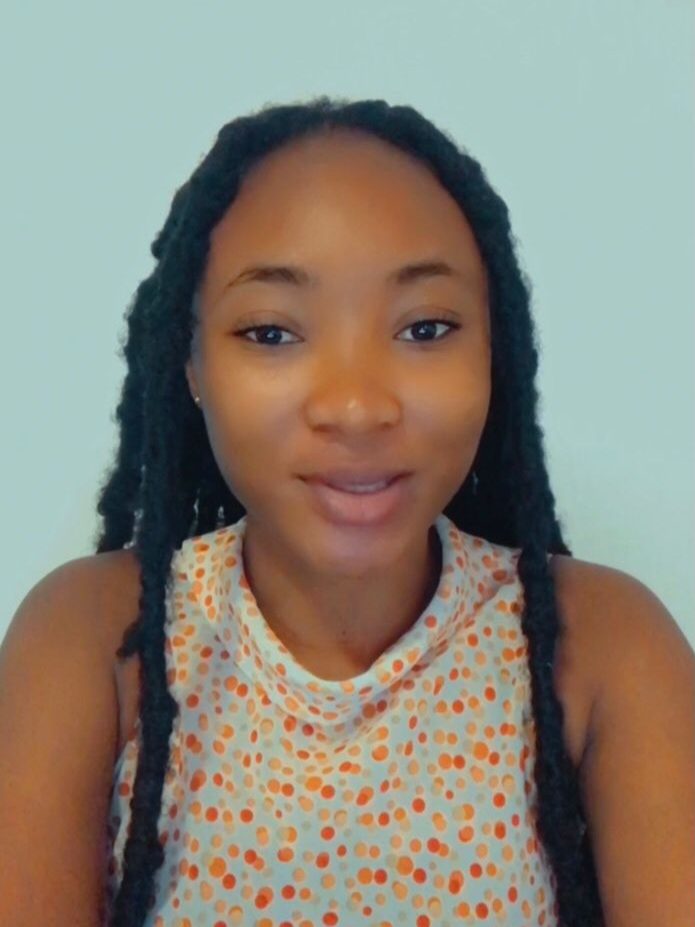
About MAVIS OLAYEMI OLORUNYOMI
Hello everyone! My name is Mavis O. Olorunyomi, and I am passionate about sustainability, circular economy, materials innovation, and green technologies. I am currently pursuing a Master’s degree in Advanced Materials and Innovative Recycling (AMIR) through the Erasmus Mundus program, where I study at Universidade NOVA de Lisboa and Universidad Politécnica de Madrid. My academic journey began with a Bachelor’s in Industrial Chemistry from the University of Cape Coast in Ghana. Over time, I have developed a strong interest in creating sustainable materials and exploring how scientific research can drive environmental resilience and circular design. Beyond academics, I enjoy taking on new challenges, learning continuously, and contributing to projects that make a positive environmental impact. I am deeply motivated by the idea of building a greener and more sustainable future through innovation and practical action.