
Science & Tech for Heritage

The EELISA activity ‘Science & Tech for Heritage’ has been recently developed in the frame of SSERIES community and the results have been presented in an International Congress about Heritage and Civil Engineering celebrated in Cuenca, Toledo and Madrid (Spain).
The activity consisted of:
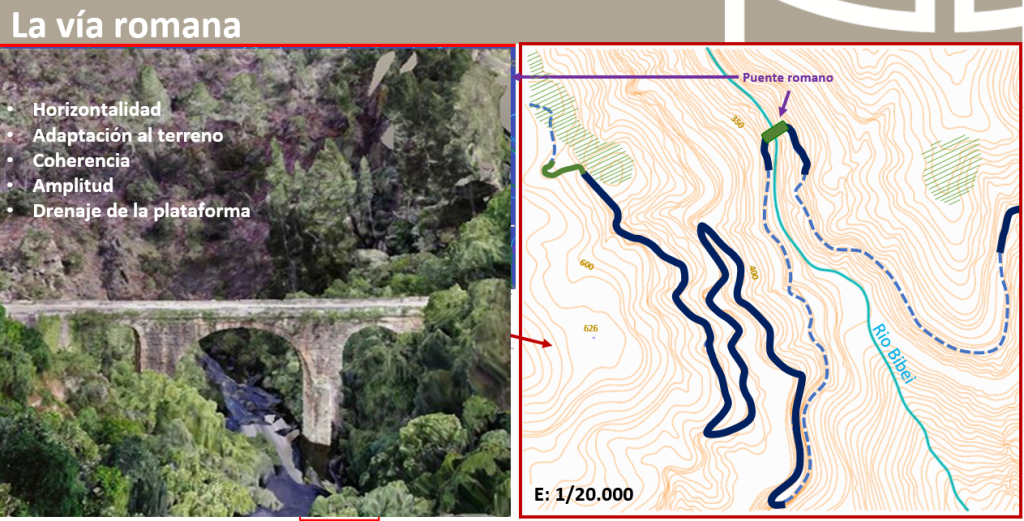
– Bibliographic study of the historical sources on the Roman road network in the area of the bridge over the Bibei river.
– Travel to the study site to carry out a photographic flight with a drone.
– Obtaining a reality grid of the bridge and its surroundings.
– Study of the three-dimensional model to locate historical restorations as well as the connection of the Roman road of the “Codos de Larouco” with the bridge.
With this kind of activity, Civil Engineering students can get started in the field of digital twins from field work to office work and engage personally with the heritage conservation.
This activity was conducted by Antonio Arcos, director of the geomorfology department at Universidad Politécnica de Madrid.

veerjohni
Hello,
Science and tech play a huge role in preserving heritage buildings, especially in humid climates where mold can silently damage wood, plaster, and historic materials. Using tools like thermal imaging cameras and HEPA air scrubbers helps identify hidden moisture and prevent long term structural harm. For anyone dealing with mold in Tallahassee, it’s worth checking out a local certified team that handles inspections and remediation with EPA-standard equipment: https://moldremovaltallahassee-fl.com
mariajesusvazquez
Thank you so much for your insightful comments!