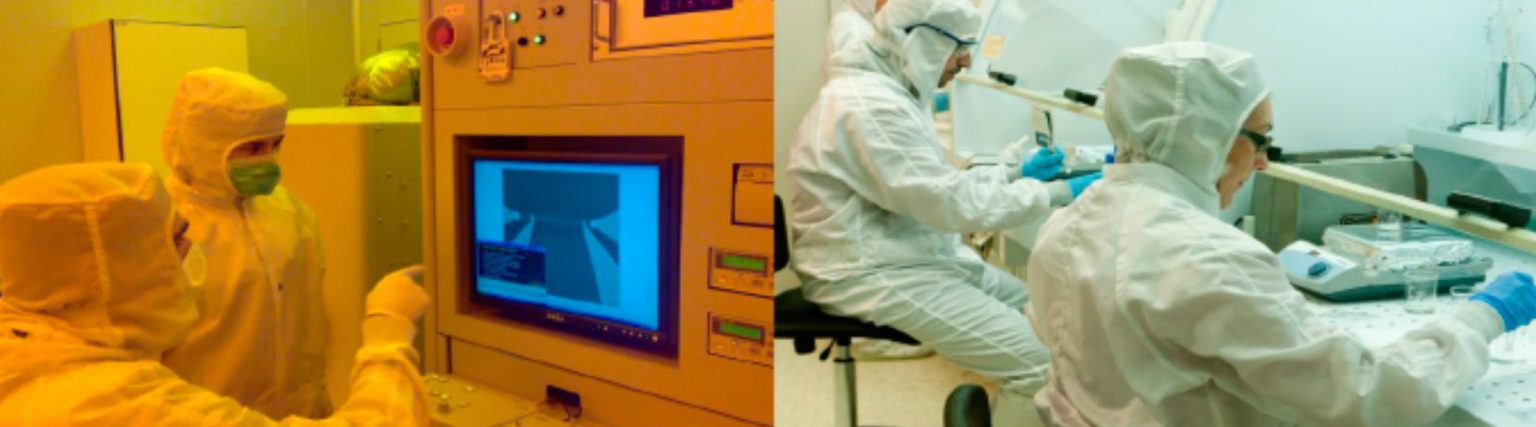
Microelectronics and semiconductors are enabling technologies on which pivot key actions undertaken by the European Union towards the objective of achieving an improvement in its digital strategic autonomy. Both the EU and the Spanish government have allocated notable resources in several programs, among which the European Chips Act, the IPCEI for microelectronics, and in Spain the PERTE-Chip stand out.
In this video we present our UPM Microelectronics initiative.
The UPM has a long tradition of research in microelectronic and optoelectronic technology with the first clean room launched in Spain (Semiconductor Laboratory at the ETSI Telecommunication), developed in the 70s of the last century. It currently has numerous research groups on topics related to microelectronics, optoelectronics and semiconductor technology, covering almost all areas from design to manufacturing, including, among others, solar cells, high frequency devices, integrated photonics and nanoelectronics. The activities of these groups are distributed amid seven research centers or institutes that are now coordinated in the UPM Microelectronics Initiative to increase their impact on the industry and society.
In this context, the UPM Microelectronics initiative was being conceived throughout 2023 as the voluntary association of research centers and institutes from UPM with activities around microelectronics, optoelectronics and semiconductor technology. It was born promoted by a group of researchers and with the support of the Rector’s team with the internal objective of coordinating, structuring and energizing teaching and research activities in these areas, and also with the aim of projecting a unique corporate image, both towards public administrations and private companies, to facilitate the execution of R&D&i projects and training activities in this field.

Topics
The topics included in µe-UPM correspond to those defined in the Spanish PERTE-chip and the European Chips Act, as well as other technologies based on semiconductors or materials with similar manufacturing processes and applications. This includes all steps of the microelectronics value chain, namely design, manufacturing, characterization, encapsulation and testing, and, among others, the following topics:
- Open hardware and RISC V
- Digital, analog and mixed electronic microcircuits
- Radio frequency devices and circuits
- System on Chip
- System in Package
- Integrated photonics
- Power devices
- Solar cells
- Photodetectors
- LEDs
- Sensors
- New semiconductor materials
- Dielectric, magnetic and organic materials with technologies similar to those of semiconductors.
µe-UPM has a clearly proactive orientation, through the identification of initiatives aligned with the objectives of the Spanish government and the EU in improving the European position of industrial capabilities in the field of microelectronics.

Goals
- Coordinate the R&D&I and training activities of the different groups that make up µe-UPM.
- Define and develop a set of emblematic actions.
- Position the UPM as soon as possible as a reference institution in the field of microelectronics in Madrid, at a national and European level.
- Contribute to the objectives of the Government of Spain and the EU towards strategic autonomy in microelectronics.
- Obtain adequate economic resources to improve and update the key capabilities of the UPM.
- Make µe-UPM known to companies, public administrations and other organizations in order to add the necessary support.
- Propose to the governing team the people who will represent UPM in external organizations related to microelectronics.
- Strategically incorporate proposals related to microelectronic manufacturing, with the consequent investment in facilities for this purpose, with the aim of becoming reference facilities in their field.
This is how it all started
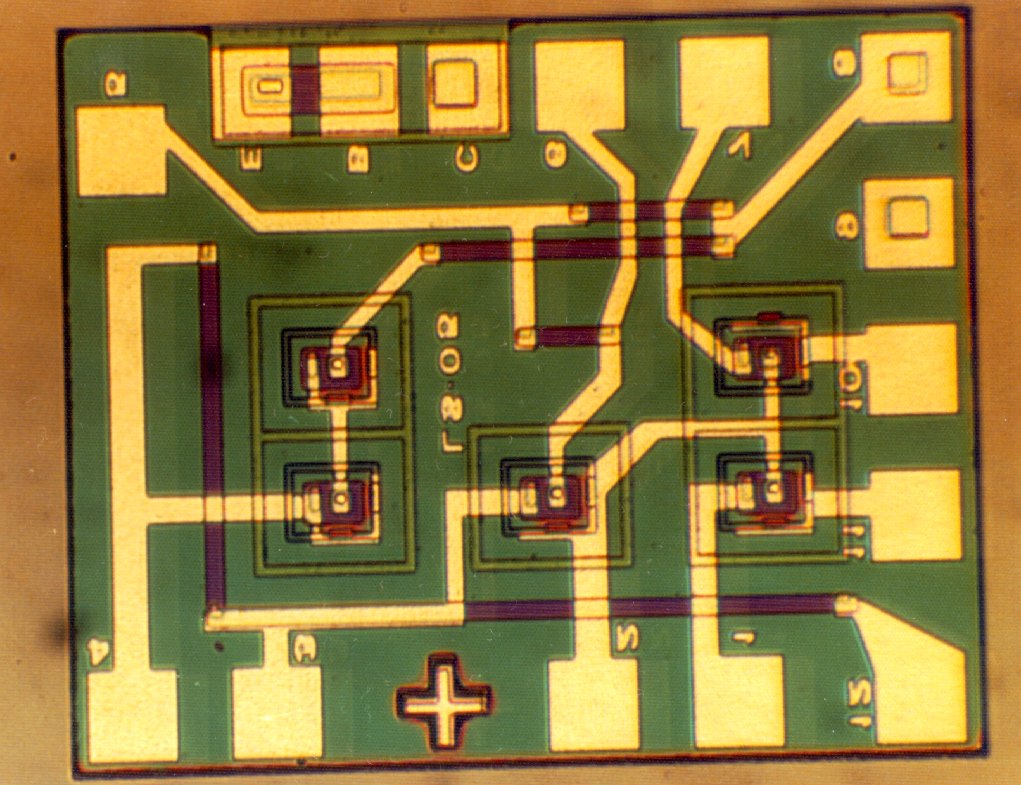
The UPM was the first research environment where microelectronics was developed in Spain at the beginning of the seventies of the last century. The following images illustrate some of the founding milestones of microelectronics in Spain.
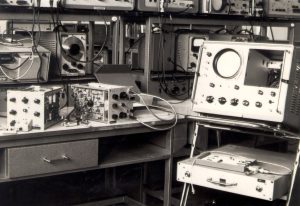
1969. The Semiconductor Laboratory is founded at the ETSI of Telecommunications – UPM.
1971. The first Clean Room in the country for microelectronic manufacturing is commissioned.


1972. First transistor entirely manufactured in Spain.
1976. First integrated circuit completely manufactured in Spain.
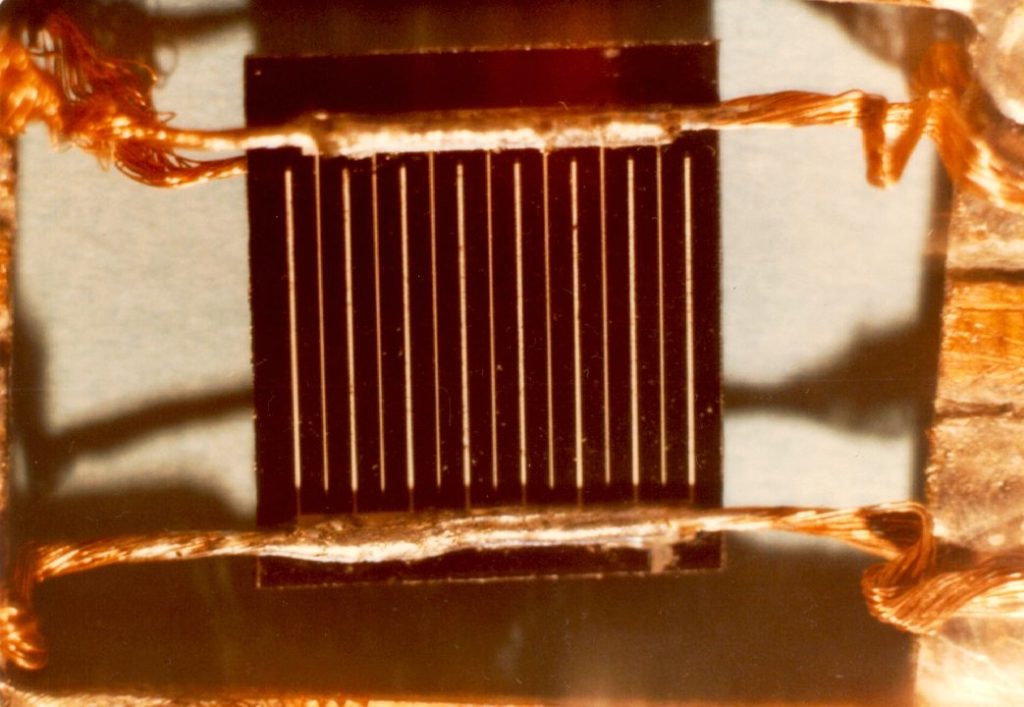
1978. First solar cell manufactured in Spain.