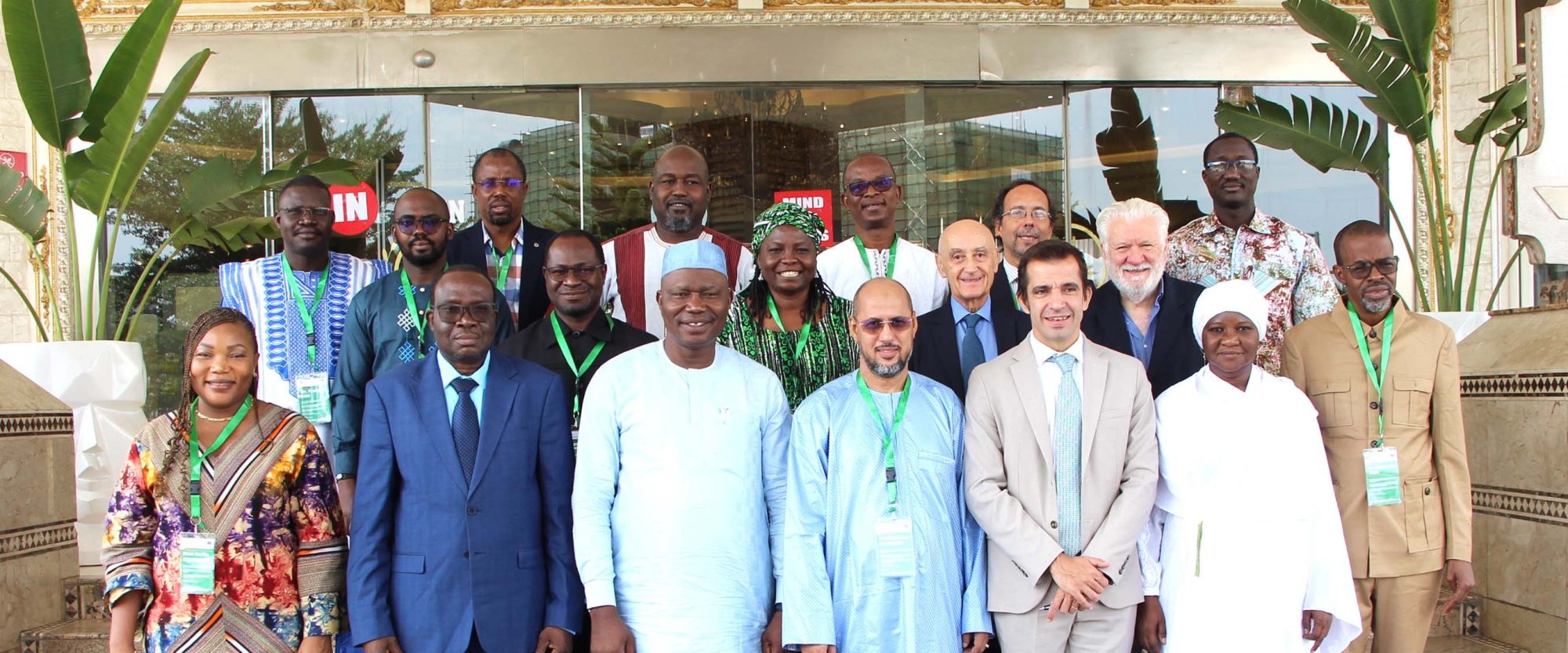
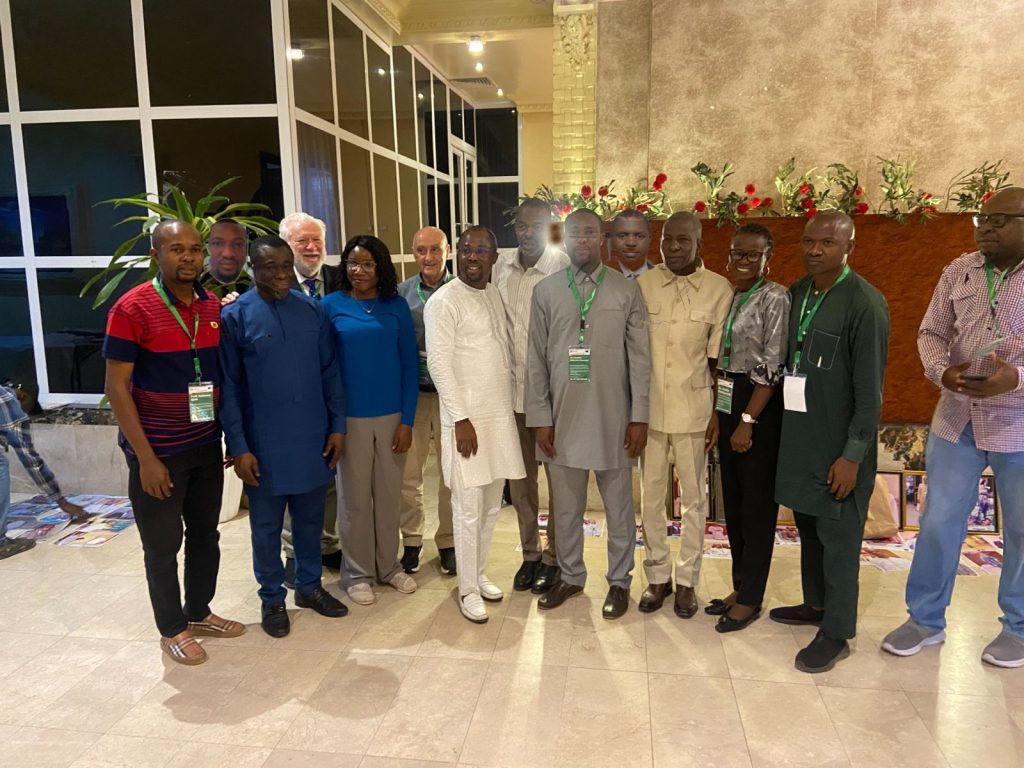
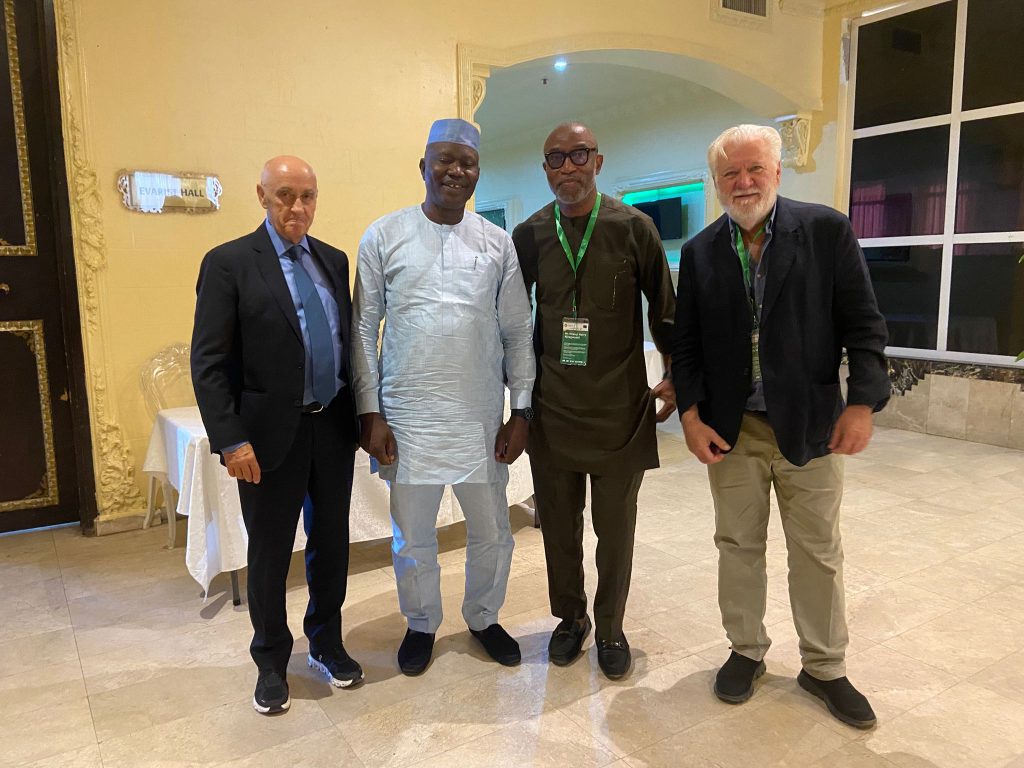
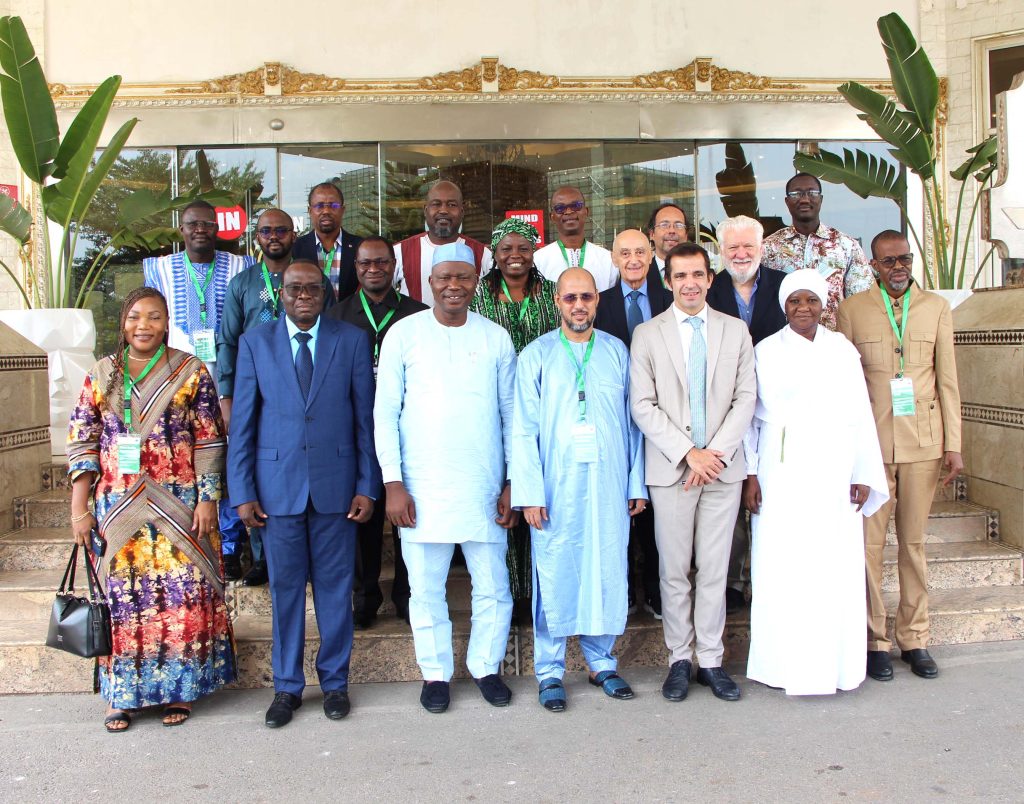
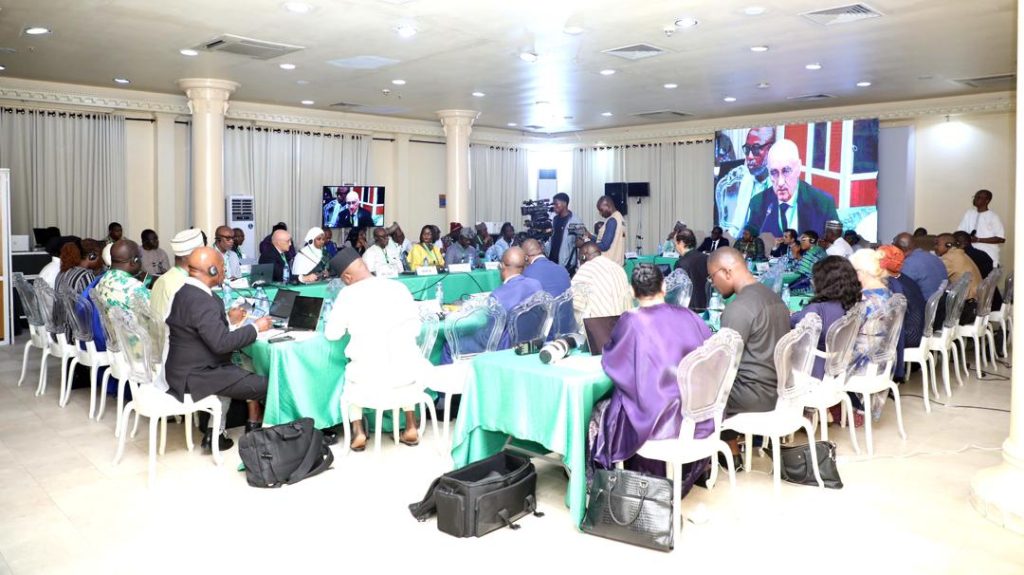
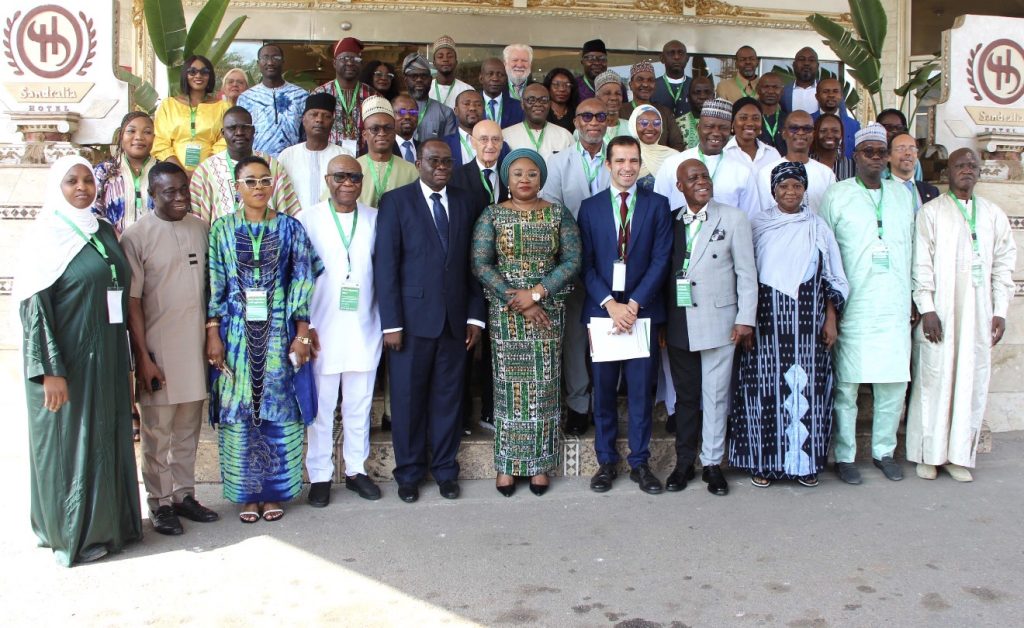
The Economic Community of West African States (ECOWAS), through its Regional Agency for Agriculture and Food (RAAF), in collaboration with the PRISMA Project, organised a high-level regional summit on 11 and 12 November 2025 in Abuja, Nigeria. The event, held in collaboration with Nigeria’s Federal Ministry of Livestock Development, had as its main purpose to promote the transformation of the animal feed industry in West Africa and the Sahel. This initiative seeks to strengthen sustainable livestock production, improve food and nutrition security, and promote regional economic integration.
The workshop addressed two strategic areas:
- Management of aflatoxins in feed and derived products to ensure food safety.
- Private sector participation in the creation of an integrated, competitive and economically viable regional industry.
In addition, the commitment to establish a network of feed producer associations and a harmonised traceability system throughout the region was reaffirmed.
Institutional Commitments and Key Statements
Dr. Chinyere Ijeoma Akujobi , Permanent Secretary of Nigeria’s Federal Ministry of Livestock Development, emphasised that the feed industry is the backbone of sustainable livestock production and a strategic element for regional food security. Nigeria reiterated its willingness to collaborate with ECOWAS and its partners to develop a structured and competitive industry that meets the needs of farmers and strengthens the resilience of livestock systems.
Meanwhile, Mr Konlani Kanfitin, Acting Executive Director of the ARAA, emphasised that livestock farming contributes significantly to the economies of Member States, but faces challenges such as high feed costs and weak regulatory systems. He pointed out that without an efficient and inclusive industry, efforts to modernise livestock production will be insufficient. In this regard, he highlighted the role of the PRISMA project (Productive, Resilient and Safe Agro-Pastoral Systems in West Africa), co-financed by the European Union and the Spanish Agency for International Development Cooperation (AECID), which has already generated advances such as:
- Harmonised sampling and analysis protocols.
- Research on traceability and emergency import procedures.
- Digital platforms to improve access to and distribution of animal feed.
Results and Technical Advances
The workshop consolidated four years of collaboration between ECOWAS, AECID and member states, aimed at creating a traceable, standardised and sustainable animal feed system. Santiago Ormeño García, coordinator of Spanish Cooperation in Nigeria and ECOWAS, highlighted that this initiative reflects the power of regional cooperation and the shared ambition to make the livestock sector safer, more productive and more inclusive.
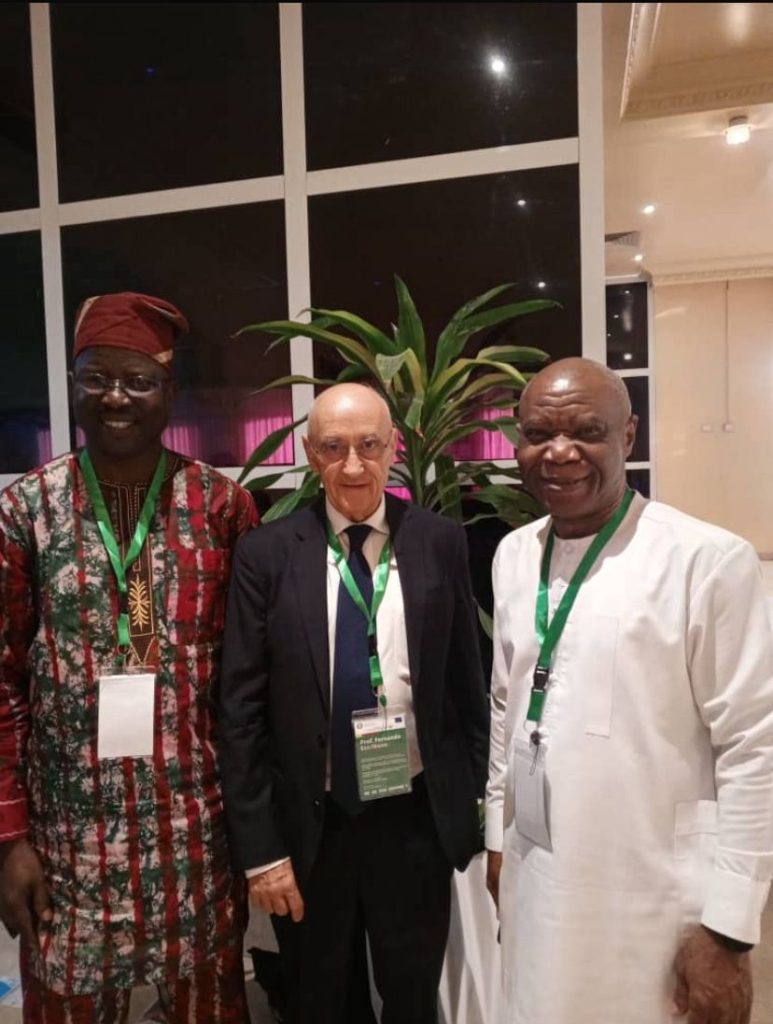
From a scientific perspective, Dr Fernando Escribano (CEIGRAM – Polytechnic University of Madrid) emphasised that PRISMA is based on evidence, partnerships and shared responsibility. This summit builds on the commitments made in Abidjan (2024) to establish a regional traceability system, moving towards harmonisation, laboratory networks and data exchange mechanisms.
We would also like to highlight the presentations by Dr Seydou Sidibé (Institute of Rural Economics, Mali), Dr Mahaman Ousseini (UAM – Niger), Dr Abalo Kassankogno (INERA, Burkina Faso), Dr Solomon Ajide (Landmark University, Nigeria) and Dr David Macham (Shestco, Nigeria), who presented the results of aflatoxin analyses in livestock feed and milk. All of them stated that their laboratories are equipped to carry out such analyses, which represents a crucial step forward for food safety in West Africa. In conclusion, it was recommended that collaboration between laboratories be strengthened in order to trace sources of contamination and ensure food safety.
Expected Impact and Next Steps
The Summit marks a turning point in the governance of the animal feed sector, consolidating research, practical results and political dialogue into a coherent agenda for food security, market integration and sustainable growth.
For the people of West Africa, this initiative represents more than a technical debate: it is a promise of change. A strengthened feed industry will enable:
- Improve livestock productivity.
- Reduce contamination risks.
- Create employment opportunities, especially for women and young people in agro-pastoral value chains.
It was also emphasised that the emerging network of producer associations must be driven by the private sector to ensure long-term sustainability, competitiveness and regional ownership. This will strengthen cross-border trade and reinforce the vision of ECOWAS and PRISMA for a self-sufficient, integrated and secure region, where innovation serves the people.
Conclusion
The Abuja summit not only reaffirms the political and technical commitment of member states, but also lays the foundations for a structural transformation of the livestock sector in West Africa and the Sahel. With international cooperation, science and innovation as its pillars, ECOWAS, in partnership with the PRISMA Project, is moving towards a more resilient, secure and sustainable production model capable of improving food security and generating development.

Estás haciendo un gran trabajo Carlos. Tu estilo de redacción es magnífico.
Prisma Project ended with incredible good outputs thanks to the excellent work of all partners and the relevance of having Nigeria as a reference country all along the Project life time. Now the challenge is open to continue making collaborative work under the leadership of the private fedd and fodder sectors and hand on hand with the public administration and with research centers, universities NGOs in a coordinated manner to promote a stronger regional partnership towards quality food security and sovereignty. Finding local financial support and administration compromise is most relevant to ascertain that PRISMA’s contribution is for real.