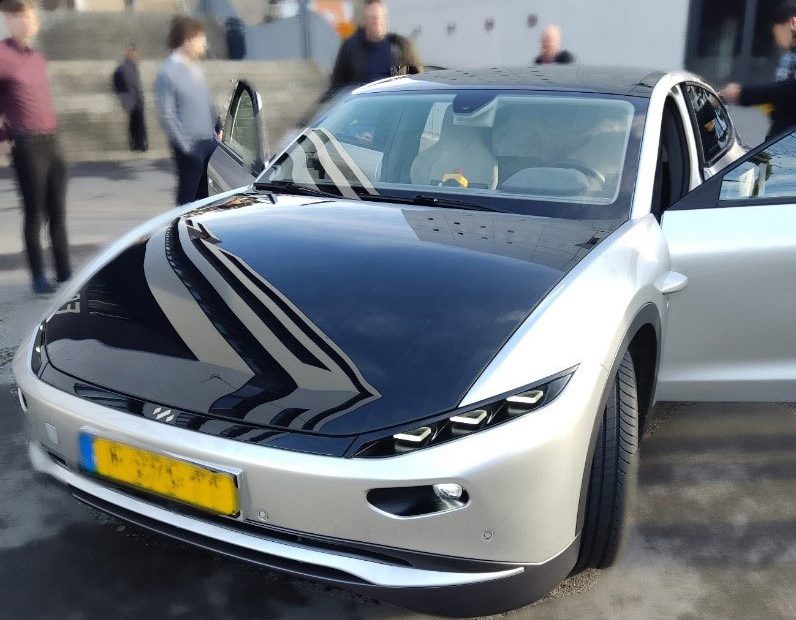
Vehicle-Integrated Photovoltaics VIPV
Article image: Example of VIPV in a car: Lightyear prototype One Vehicle-Integrated Photovoltaics (VIPV) is…
Article image: Example of VIPV in a car: Lightyear prototype One Vehicle-Integrated Photovoltaics (VIPV) is…
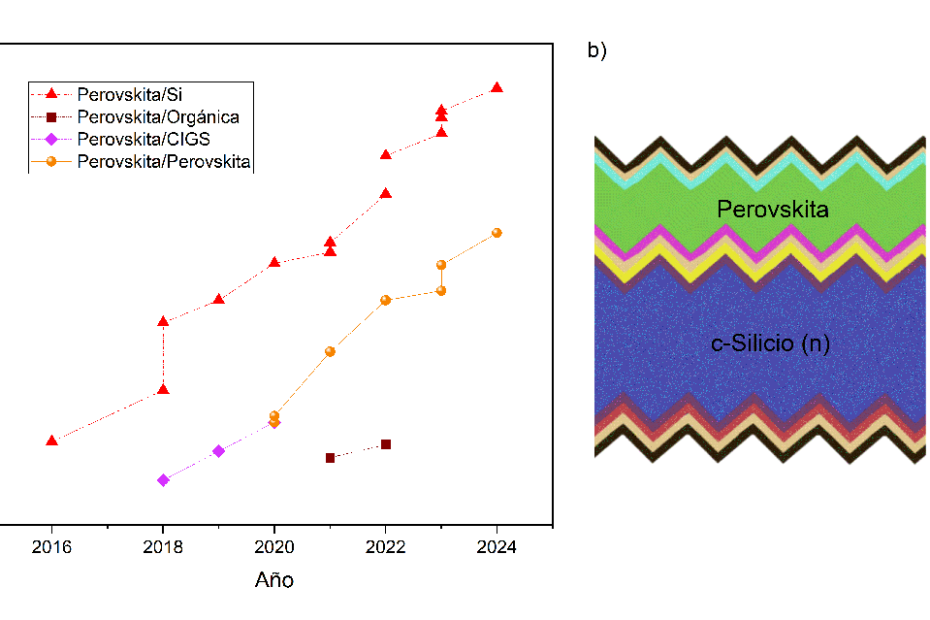
Over the past decade, the development of solar cells has been significantly influenced by semiconductors…
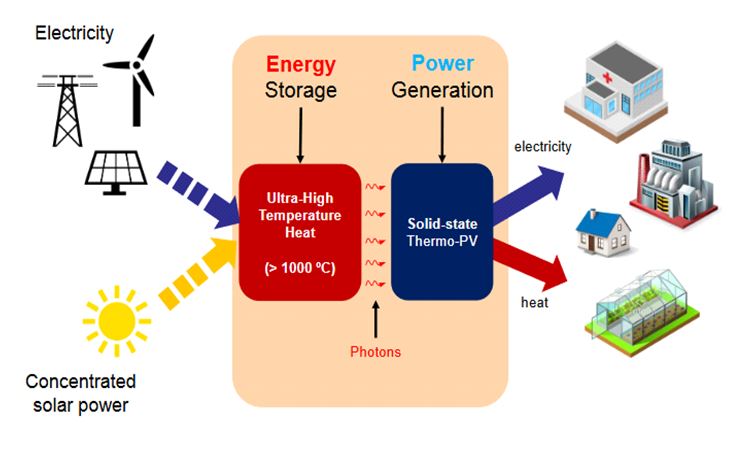
Today, renewable energies are the only available technology that can lead the energy transition towards…
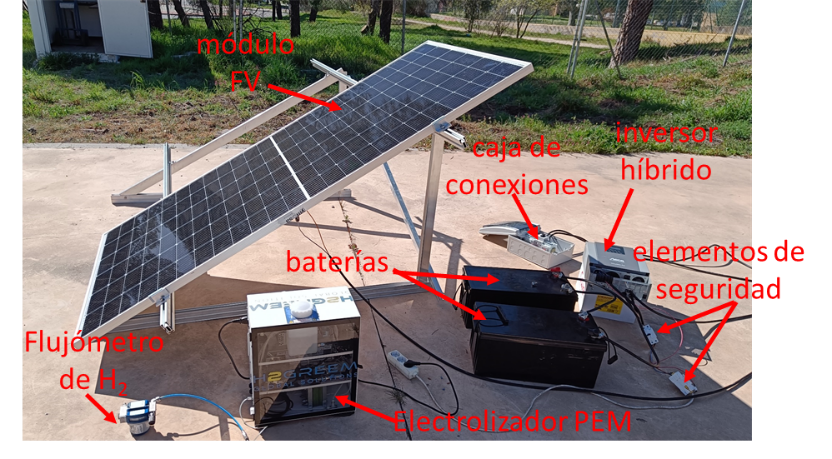
Hydrogen is considered an energy carrier capable of transporting and storing energy for subsequent use…
Around 95% of the current production of photovoltaic (PV) modules is based on silicon wafers,…
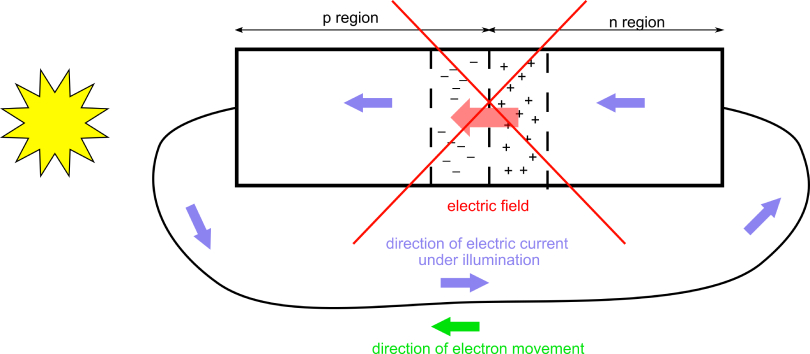
The photovoltaic effect refers to the experimental observation of a voltage arising as a result…
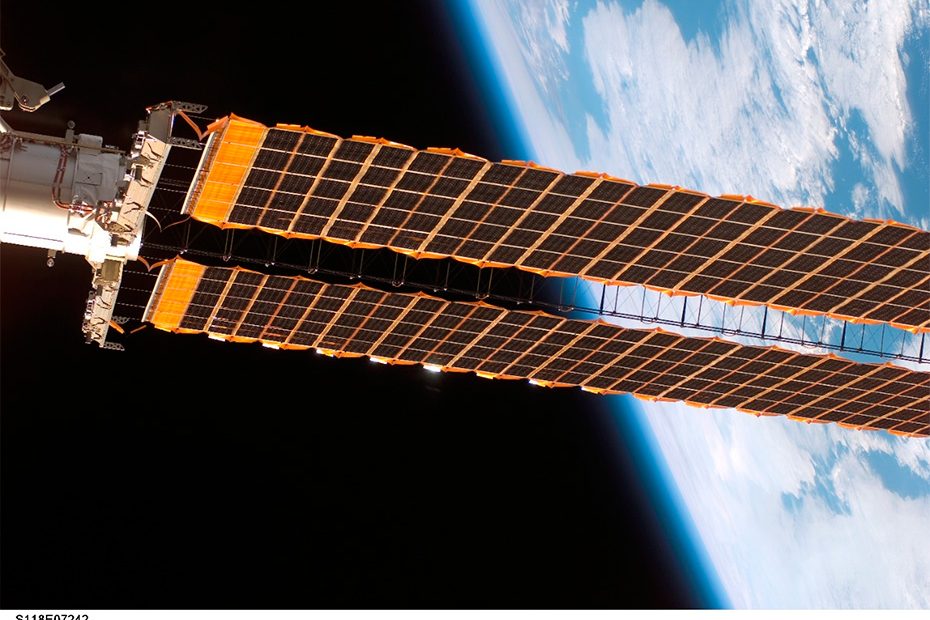
It is fair to say that the first great success of photovoltaic solar energy occurred…
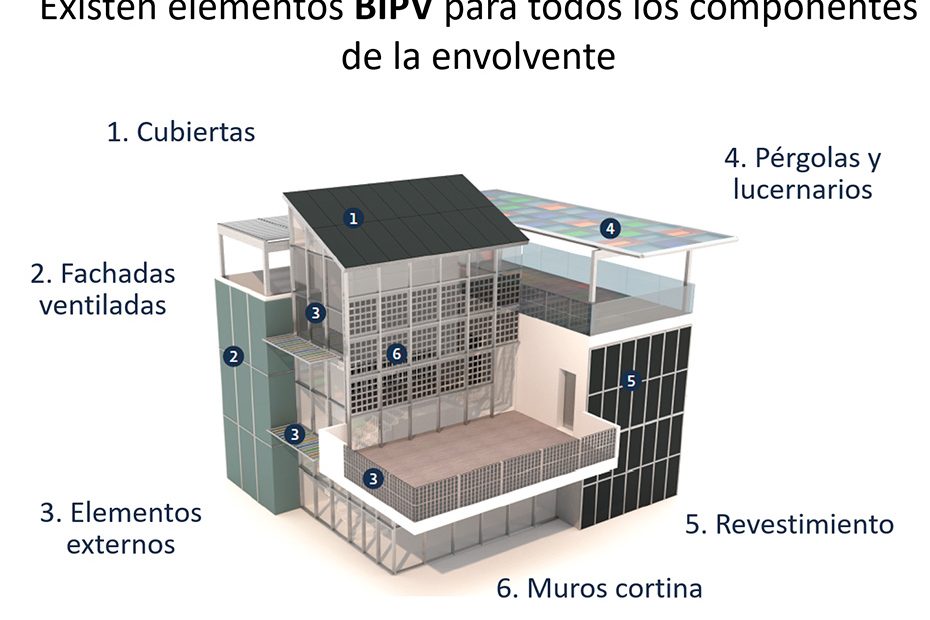
In the era of the search for sustainability, architecture and energy must go hand in…
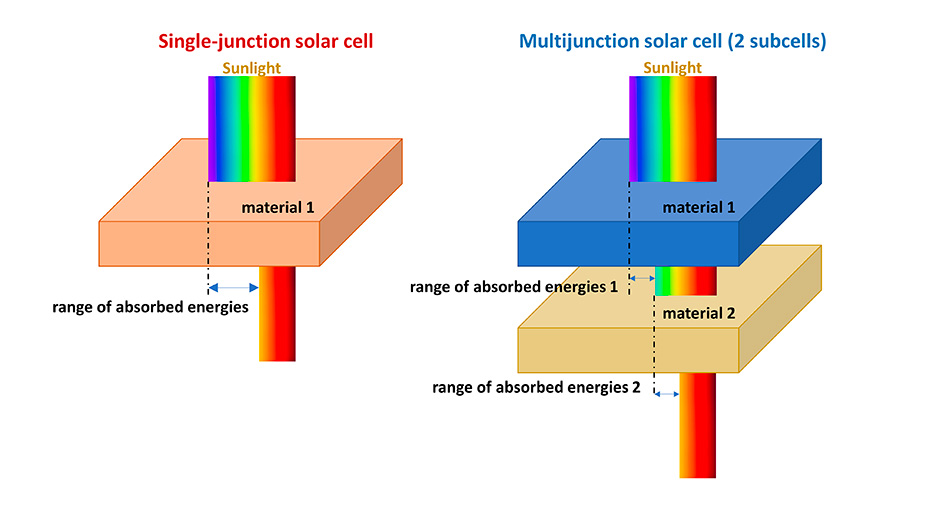
Multijunction solar cells were invented to mitigate a fundamental loss source in the conversion of…

The term thin-film solar cell, or second-generation solar cell, refers to a particular type of…

El Instituto de Energía Solar de la Universidad Politécnica de Madrid (IES-UPM),, fundado en 1979, es la institución activa más antigua del mundo en investigación fotovoltaica. Más de 60 personas de diferentes países trabajan en prácticamente todas las facetas de la energía fotovoltaica, desde la ciencia básica hasta el desarrollo de proyectos, desde la ciencia de los materiales hasta la ingeniería eléctrica.
Instituto de Energía Solar
E.T.S.I. Telecomunicación
Universidad Politécnica de Madrid
Avenida de la Complutense 30
28040 Madrid